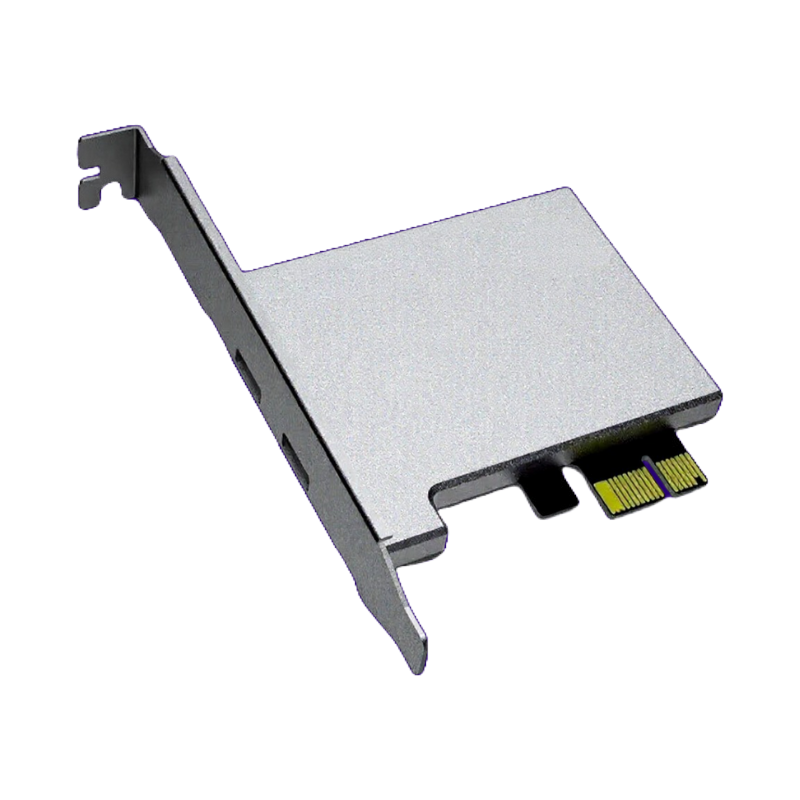
75T vs 100T DMA cards, the choice between a 75T and a 100T FPGA can significantly impact performance and future-proofing. These cards are pivotal for tasks requiring direct memory access, offering a sophisticated method to interact with system memory.
This article will explore the critical distinctions between 75T vs 100T DMA cards, focusing on their performance, underlying chipsets, pricing, optimal use cases, firmware considerations, and long-term viability, to guide you in selecting the ideal card for your high-performance needs.
Performance for Demanding Applications
The performance disparity between 75T and 100T DMA cards is a primary consideration for users seeking maximum efficiency. The 75T DMA card, often utilizing the Xilinx Artix-7 XC7A75T FPGA, delivers robust performance, typically achieving between 8,000 to 9,500 reads per second (TPS). This level of throughput is more than adequate for a wide range of demanding applications.
In contrast, the 100T DMA card, powered by the Xilinx Artix-7 XC7A100T FPGA, pushes the boundaries of data processing speed. It is capable of exceeding 10,000 TPS, with some reports indicating speeds upwards of 11,000 TPS, depending on the specific firmware and the quality of the USB interface used.
This superior speed makes the 100T particularly well-suited for applications that involve extensive memory manipulation and require ultra-low latency.
Chipset and Logic Resources
Both the 75T and 100T cards are built around the Xilinx Artix-7 FPGA family, renowned for its high performance-per-watt fabric. However, the XC7A100T chipset in the 100T card offers a significant upgrade in logic resources compared to the XC7A75T chipset in the 75T card .
| Feature | 75T (XC7A75T) | 100T (XC7A100T) |
| Logic Cells | 75,520 | 101,440 |
| Block RAM | 3,780 Kb (~3.7 MB) | 4,860 Kb (~4.8 MB) |
| DSP Slices | 180 | 240 |
The 100T boasts approximately 34% more logic cells and about 28% more Block RAM. These additional resources are crucial for implementing more complex and sophisticated firmware, enhancing stability, and improving overall performance, especially under heavy computational loads.
Price Point and Value Proposition
Price remains a significant factor in the decision-making process. The 75T DMA card generally represents a mid-range, cost-effective solution, typically priced around $150-$200 USD.
It offers an excellent balance of performance and affordability, making it a popular choice for users who need reliable functionality without the highest possible investment.
The 100T DMA card, positioned as a premium offering, comes with a higher price tag, often exceeding $250-300 USD. This increased cost reflects its superior performance capabilities and enhanced hardware resources.
For users prioritizing cutting-edge performance and future-proofing, the investment in a 100T card is often justified.
Optimal Use Cases: Which DMA Card is Right for You?
The choice between a 75T vs 100T DMA cards largely depends on the specific demands of your applications.
•75T DMA Card: This card is an excellent choice for a broad spectrum of applications that require high-speed memory access. It performs exceptionally well in scenarios where consistent, high-throughput data processing is needed. For many users, the 75T provides arobust and cost-effective solution.
•100T DMA Card: The 100T is designed for the most demanding applications where absolute maximum performance and resource availability are paramount. This includes scenarios involving large-scale data processing, complex real-time analytics, or any application where even marginal gains in speed and efficiency are critical.
It is the preferred choice for users who require the highest possible throughput and the flexibility to run the most resource-intensive firmware.
Firmware Considerations
Both 75T and 100T DMA cards support custom firmware, which is essential for optimizing their functionality and ensuring compatibility with various applications. The choice of firmware can significantly influence the card’s performance and its ability to interact with different systems. While both cards can run highly optimized firmware, the 100T’s greater logic resources and Block RAM offer a distinct advantage.
This allows the 100T to support more complex and feature-rich firmware without compromising performance. It can handle more elaborate emulation profiles, potentially leading to greater stability and advanced functionalities that might be constrained by the 75T’s more limited resources.
Future-Proofing Your Investment
As technology advances and applications become more sophisticated, the need for robust hardware increases. In this regard, the 100T DMA card offers superior future-proofing. Its advanced chipset and higher resource count make it better equipped to handle evolving system requirements and increasingly complex software.
For users who anticipate long-term use or expect to engage with applications that will demand more from their hardware over time, the 100T represents a more sustainable investment. While the 75T is highly capable today, the 100T provides a larger buffer for future advancements, ensuring that your hardware remains relevant and performant for longer.
75T vs 100T DMA Cards: Conclusion
Choosing between a 75T and a 100T DMA card depends on a careful evaluation of your specific needs, budget, and performance expectations. The 75T DMA card offers an excellent balance of performance and cost-effectiveness, making it a strong contender for a wide range of demanding applications. It provides reliable, high-speed memory access that meets the requirements of most users.
However, for those who demand the absolute pinnacle of performance, require extensive logic resources for complex firmware, or prioritize long-term future-proofing, the 100T DMA card stands out. Its superior speed, greater logic capacity, and enhanced ability to handle resource-intensive tasks make it the ultimate choice for advanced users and cutting-edge applications.
Ultimately, both cards are powerful tools within the Xilinx Artix-7 family, each serving a distinct segment of the market. By understanding their key differences, you can make an informed decision that aligns with your technical requirements and strategic goals.
Want To Get Started With DMA Cheats?
Click Here to Join our exclusive Discord community to get started cheating in your favorite video games!
- COMMUNITY: Connect with fellow DMA gamers and find teammates
- UPDATES: Be the first to know about new updates and features
- SUPPORT: Get personal help and tips directly from me